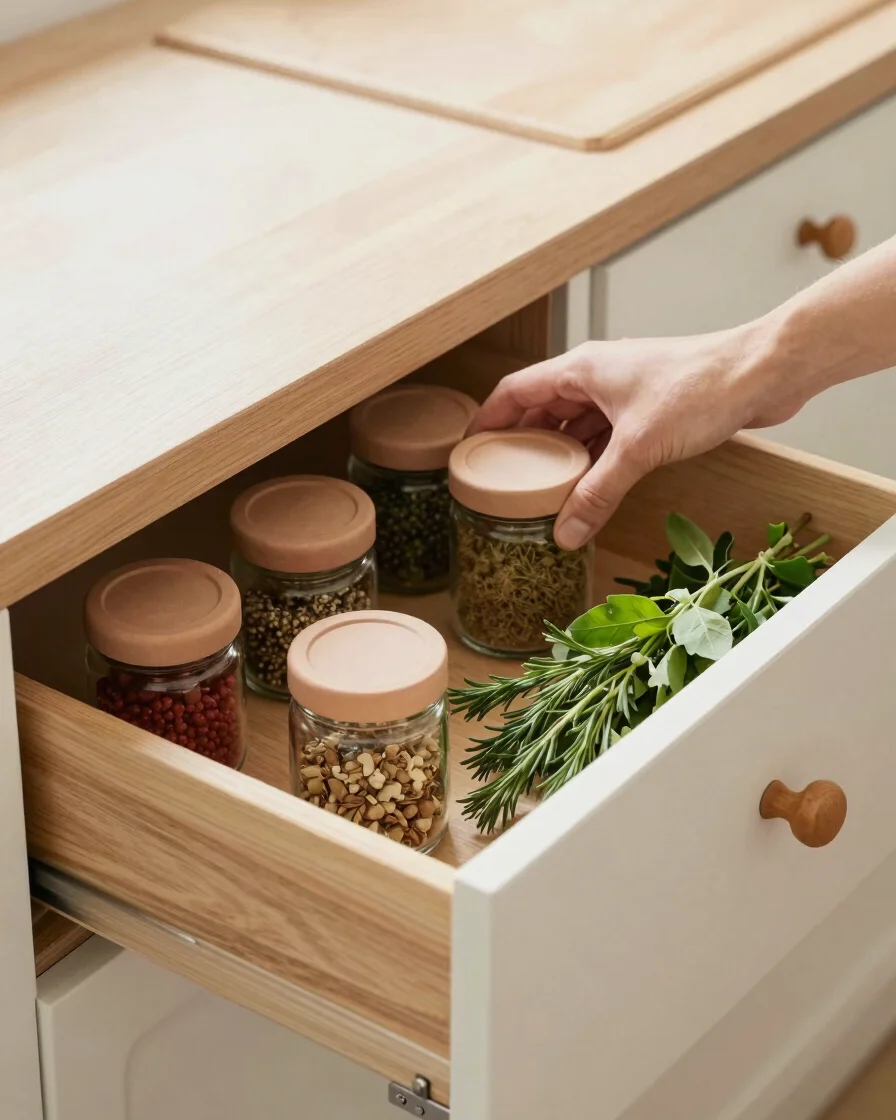
Pantry index
Pantry foundations for everyday cooking
Oils, vinegars, grains, sea salts, and aromatics explained with practical context: where each one fits, how to store it, and when a simpler substitute will keep a dish balanced.
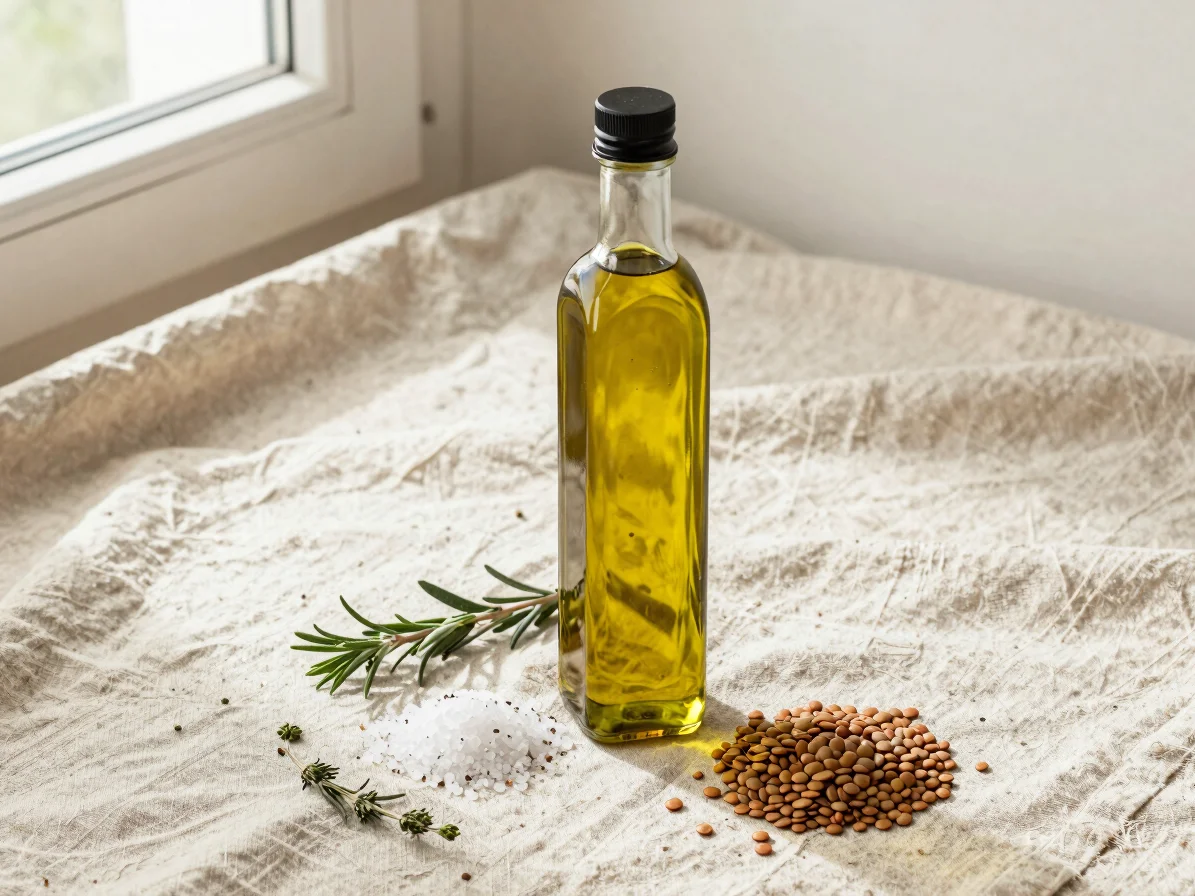
Key categories
Aromatics, oils and vinegars, pulses
Three pantry groups to build a reliable everyday kitchen, each with practical handling notes and links to related guides.
Aromatics
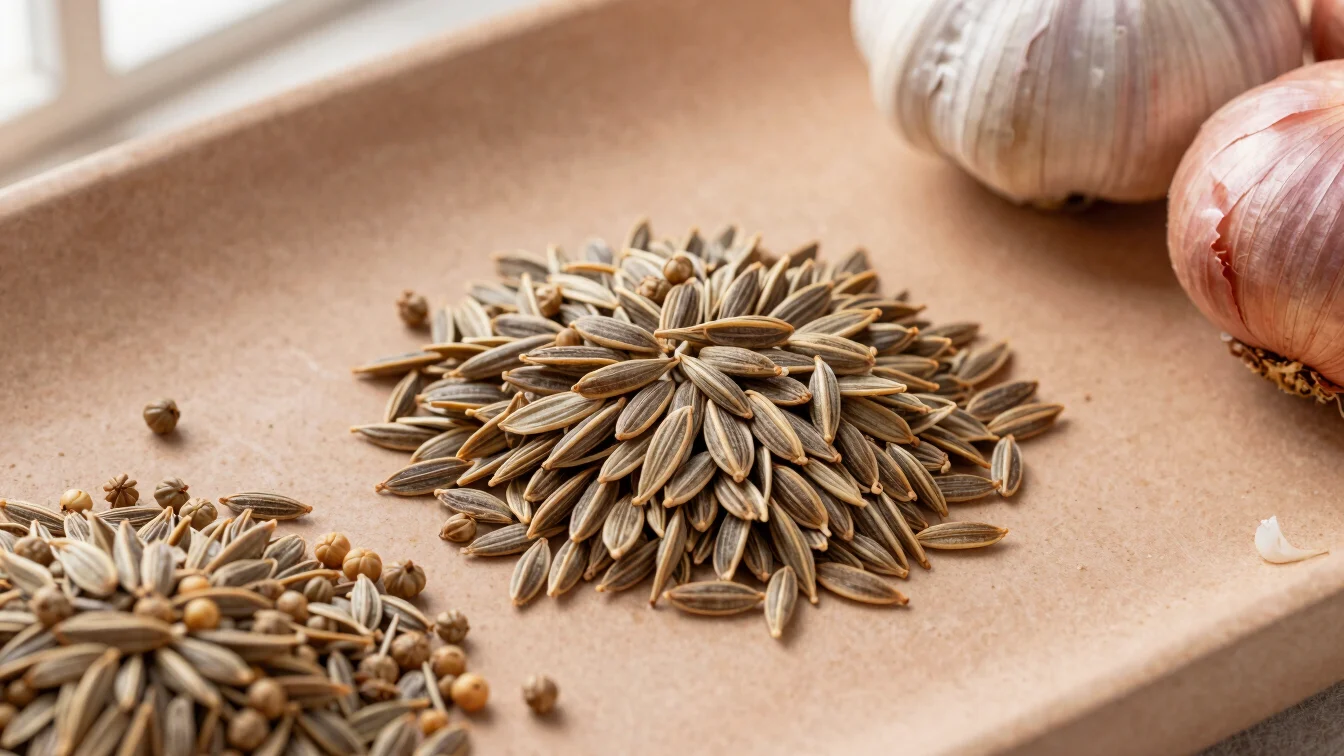
Aromatics and whole spices
Onions, garlic, shallots, and whole spices like cumin and coriander seed. Toast whole spices briefly in a dry pan to bring out their scent, and grind only what you need.
Oils and vinegars
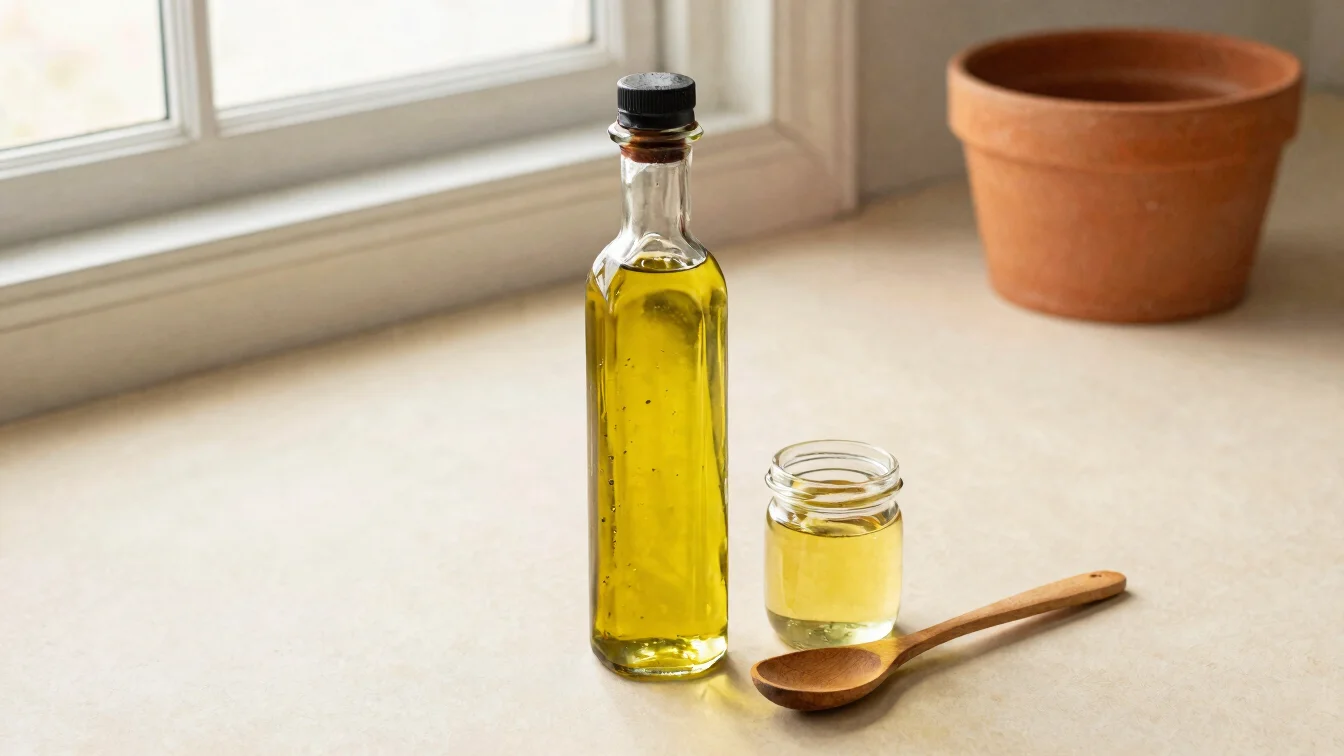
Cold-pressed oils and vinegars
Keep a mild everyday oil for cooking and a more fragrant one for finishing. Store oils away from heat and light, and keep vinegars tightly closed to preserve their flavor.
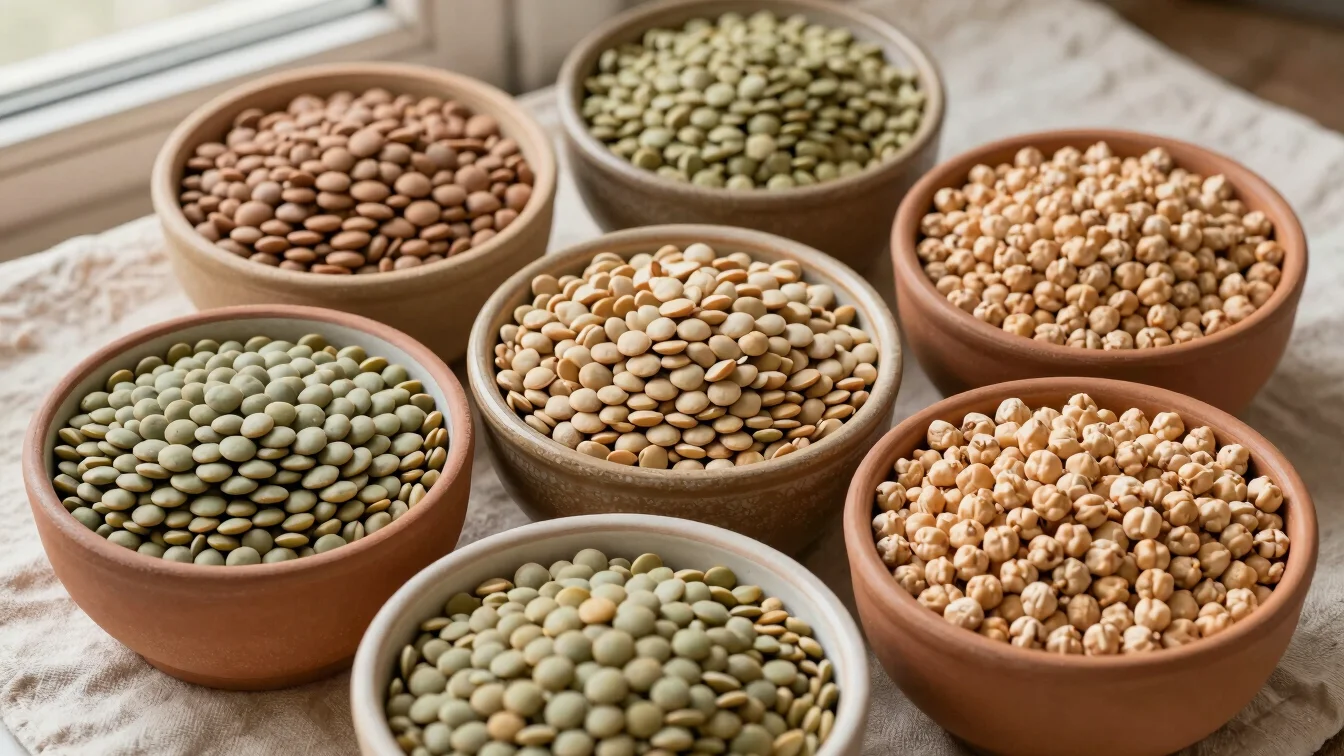
Pulses and grains
Heirloom pulses and grains
Dried lentils, chickpeas, and whole grains cook well in batches. Rinse them, cover generously with water, and taste for tenderness before seasoning.
Choosing basics
Choosing quality basics at a regular grocer
Look at labels for origin, harvest or best-before dates, and simple ingredient lists. Smell oils and spices where possible, and buy in quantities you will use within a few months.
Storage matters as much as selection: keep dry goods sealed and away from heat, wrap fresh herbs in a damp cloth, and store dairy at the cold back of the refrigerator. These are practical habits, not official nutrition recommendations.